Q&A: about my new book

A short version: I’ve published my first poetry collection. It’s called Unborn, it explores themes of family, fertility and identity, and you can buy it here.
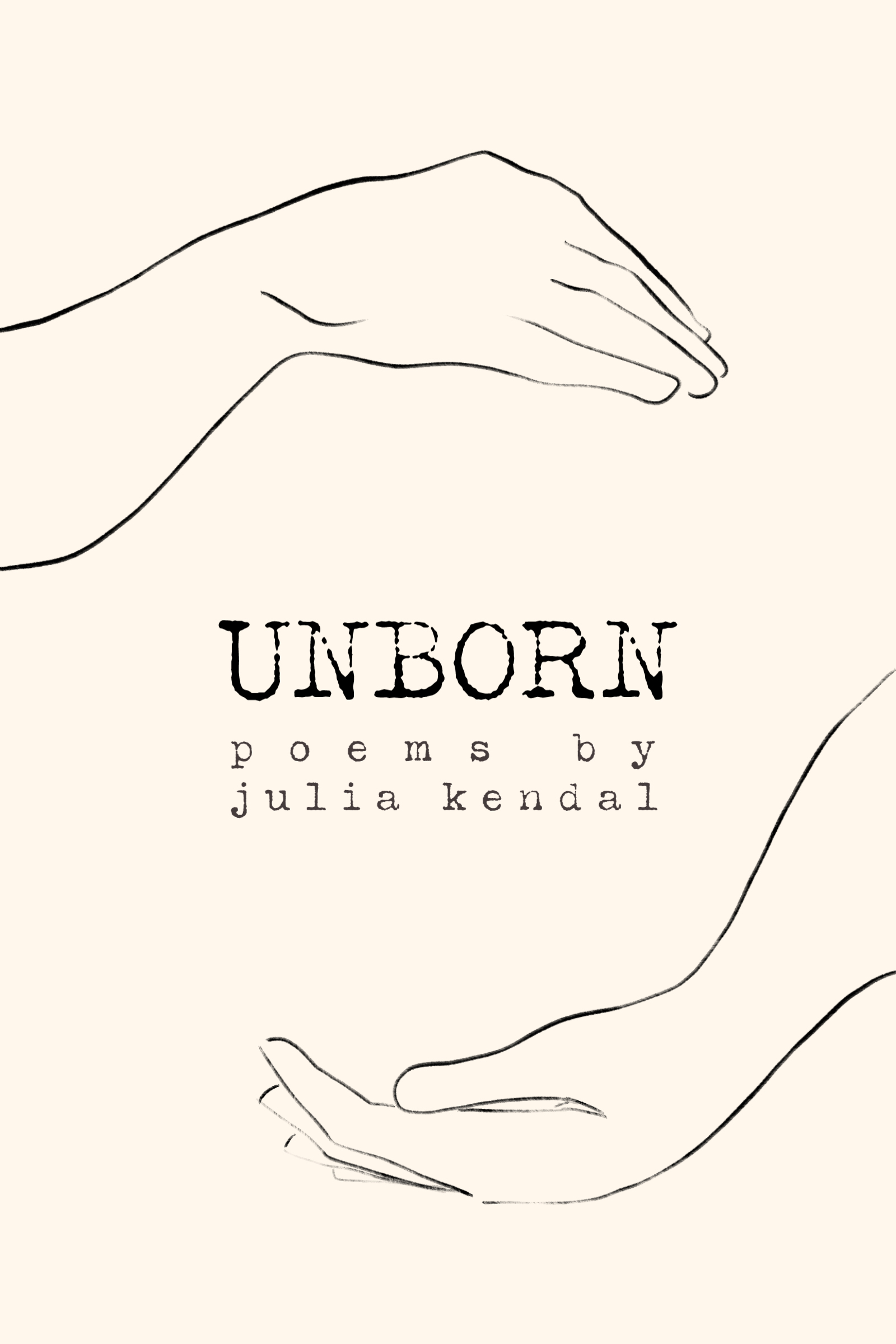
A longer version: This is a book about bearing life. The poems are an exploration of family and identity, faith and loss, during the hidden years trying to conceive. They speak of grief for what never was and hope not yet arrived. It’s a tender topic and personal piece of work. It’s also a common but still comparatively taboo subject. I could rely on the statistics (one in seven couples) but I’m more compelled by the stories which touch each of our lives – whether it’s your own experience, or that of a family member, dear friend, treasured colleague… If it feels like this book might help you or someone you know to feel a bit less lonely or a bit more seen in tough times, I’d love it if you shared it with them.

Why did you write this book? 

Continue reading
Three stories: Rootbound, Unearthed, Earthed 

Purple salvia flowers with a bee landed on one of them

In the last couple of weeks, the heat has finally returned to our little patch of Hampshire earth. Some of the plants (clematis, salvia, nasturtiums) have reached the stage where you feel you can see their growth daily. And with the sun’s return, I too seem to be waking up.

Since November, I have had a list above my desk labelled ‘for winter’. It includes things like ‘mustard yellow woolly socks’, ‘vitamin D tablets’, ‘fire pit’. It quotes a favoured line from a Jenny King poem, ‘The midday peace is warm and edible’*. And it reminds me to keep reading. 

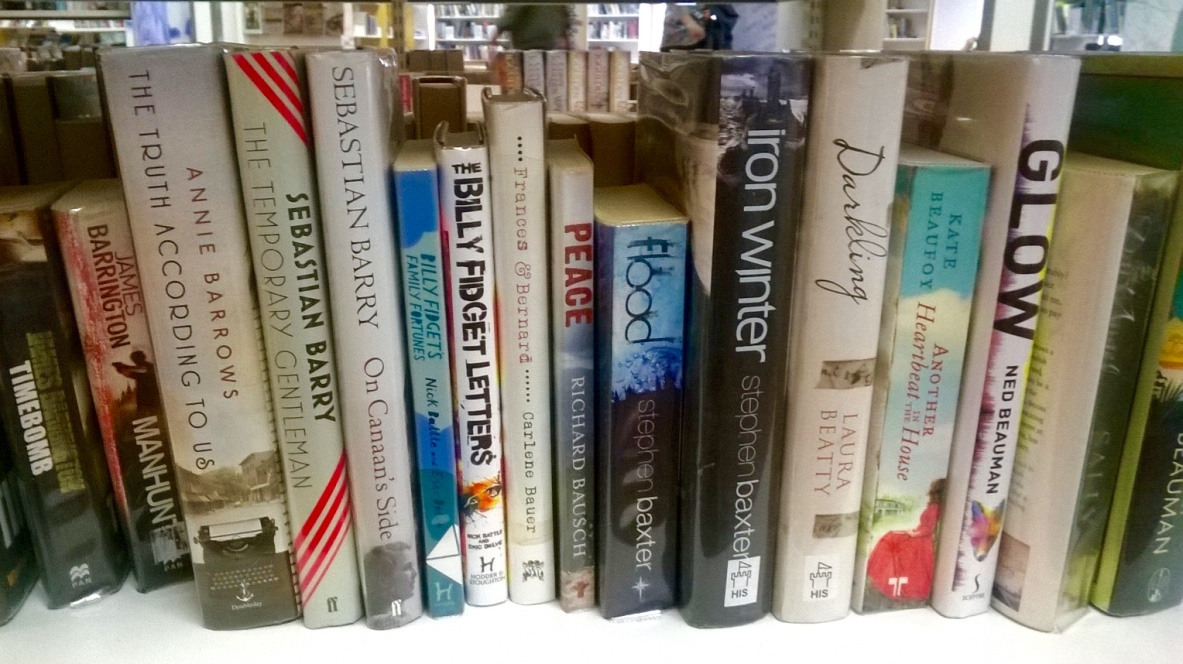
There have been a lot of books through winter (a season I understand intellectually but rage against to my bones). These are three of them. Three books, three women, three contexts; the stories they weave join dots in my mind and are manifold. They are all part memoir, but they are also much more. Tracking the history of land, of roots, of connection. Of learning and of changing. They have been good for me. You may like them too. 

Continue reading

What’s next?

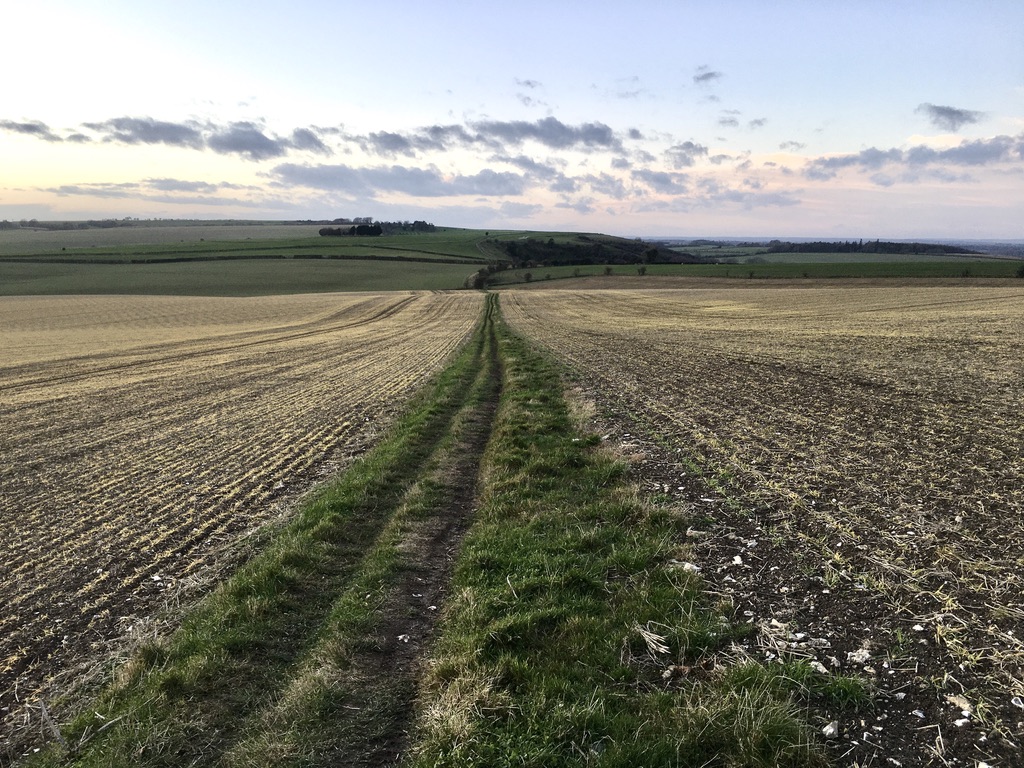
Photograph of path through fields and a hill in the distance at sunset

A reflection from late autumn finally posted in the chill of early January. Call it late, call it a symptom of these new year days and pandemic years, when time seems to slip and slide and leave you grasping.

I’m not sure if this moment is full on autumn, or the first bite of winter. We left town for the hills one Sunday. Clocks claimed it was mid-afternoon but the oncoming dark made it hard to place, hard to shake the sense of enclosing night. Given the hour, I say ‘hills’ but really it was ‘hill’. One hill. Height enough to let go every sigh and find the corners of ourselves that the countryside seems to guard in our absence. Our feet found one hill, but maybe it really was ‘hills’. One folds into another, a ridge that you could follow on your way to the Cotswolds, or turn the other way to skirt the edge of London. We stay where we are. On one hill. Eyes resting on another, and finding the pocketed fields below.  

We left. Left the warmth, encased ourselves in winter coats (should have been washed before this first wearing?), scarves, hats that didn’t quite keep out the gnaw of the wind on one side. An ear bore the brunt of this foray. Pass indifferent flocks, turn right at the trees and enjoy their shelter before heading up again. A slope that felt gentle but, on turning round, had opened up the sunset sky. Stop. Breathe. Exchange humble notes on this messy and beautiful world. 

Continue reading

Microadventure

microadventure_wharf microadventure_sunset

Friday evening had arrived. The work was done, or at least paused with sufficient peace to leave it for the weekend. It was an evening marked by early autumn – just enough light in the sky, warm enough to begin in a jumper; jackets would be pulled on later. The day’s stories would have to wait for when darkness came. For now we hastily found out high vis jackets, lights, shedding to-do lists and perceived obligations, and got on the bikes before any more light slipped below the horizon.

Once we’d turned right instead of the usual left, that feeling set in. Continue reading

Grow

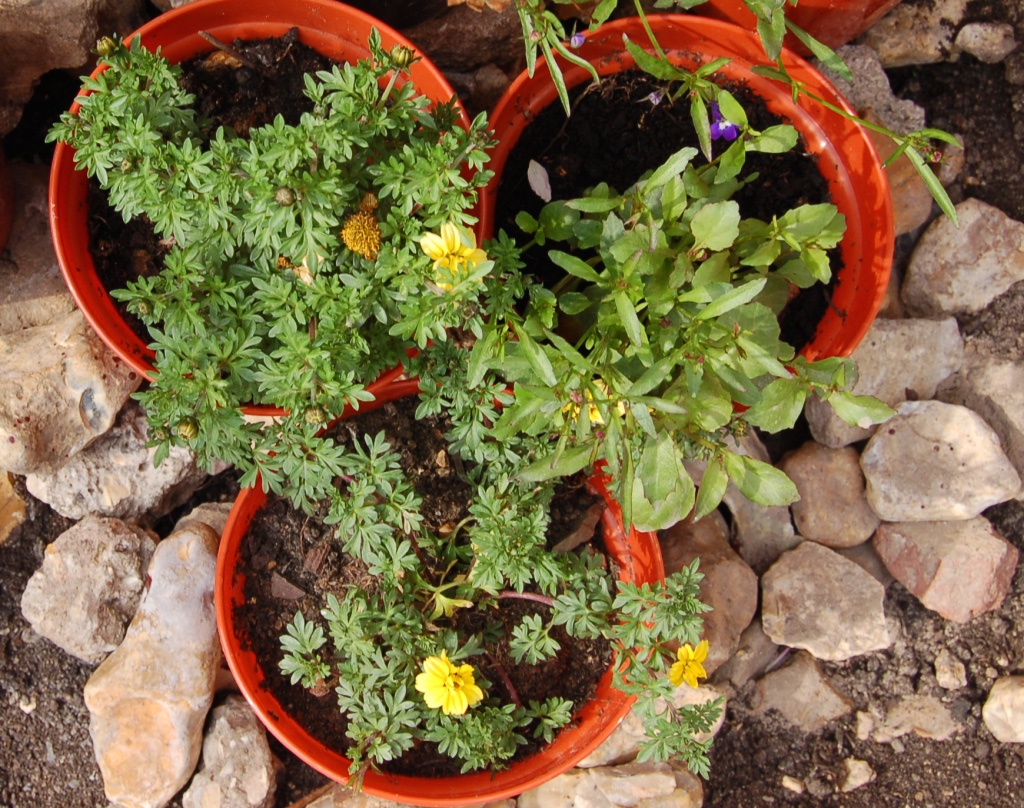
plant_potshanging basketsAn unintended consequence of our house move is that, after all that moving and sorting, it’s actually the small rectangle of space found beyond the back door that draws me most. From our first days in the house, in dry weather (wooly jumpers overcoming the challenges of temperature) I could be found out there, usually sat with the laptop or a good book, a coffee or glass of wine. The impact this small space has had on my well-being has been pleasantly unexpected. Continue reading

The Opposite of Loneliness

opposite of loneliness

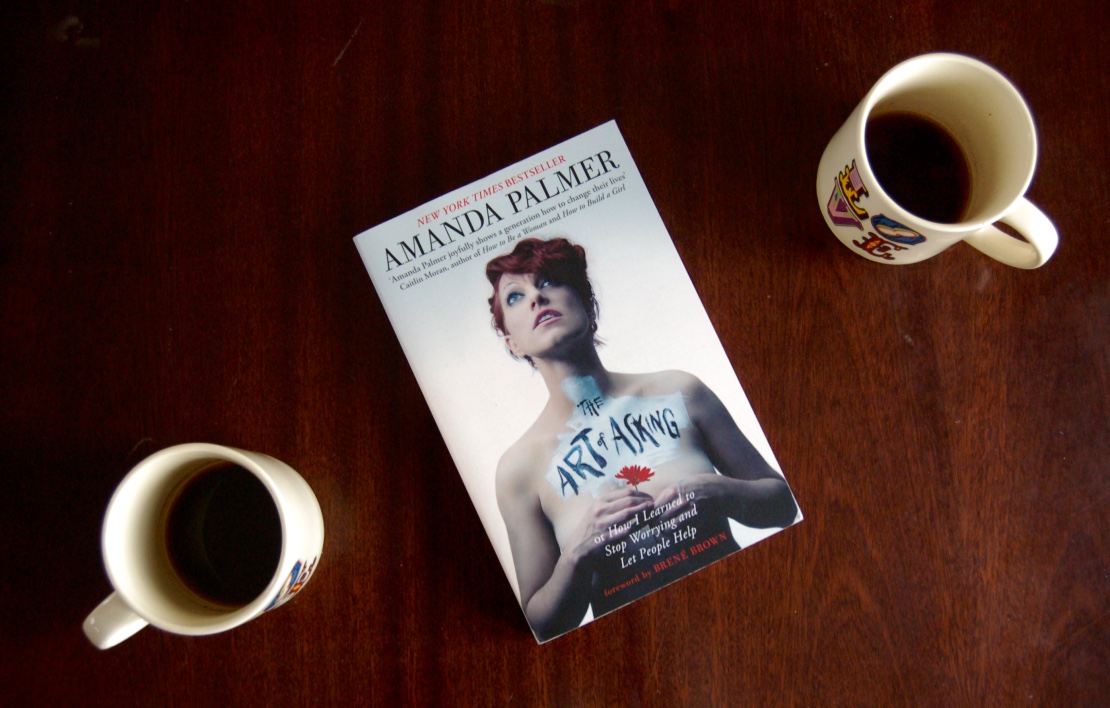
So much has been written, more eloquently than I ever could, about Marina Keegan’s ‘The Opposite of Loneliness’. Keegan’s collection of essays and short stories was published posthumously, as this brilliant writer, actor, journalist died in an accident when she was just 22 years old. She had graduated from Yale just a few days earlier and was tipped for greatness. Much is rightly said of the tragedy of it all. Continue reading

A little book of craftivism

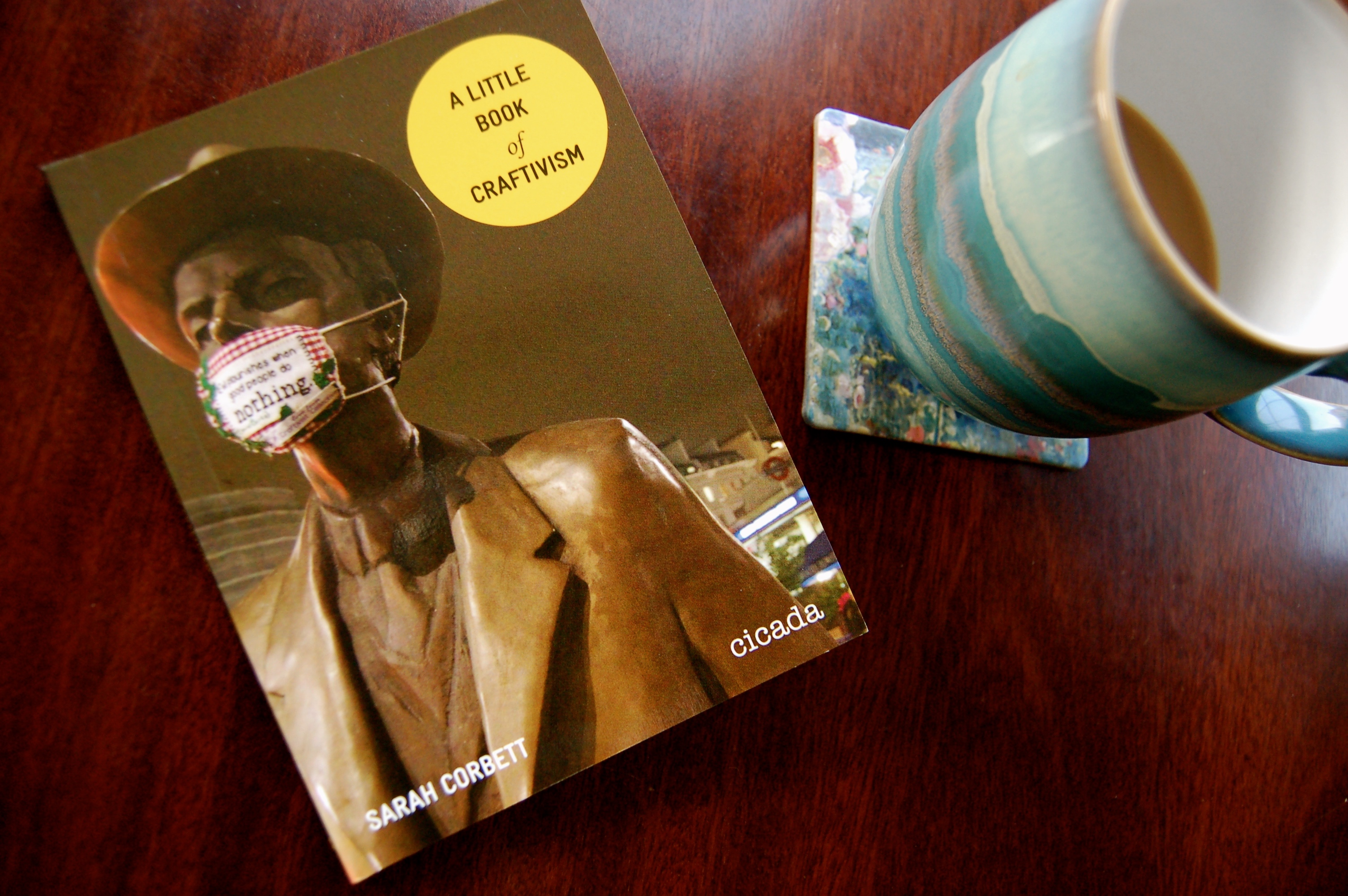
book_of_craftivismCraftivism: “a way of looking at life where voicing your opinions through creativity makes your voice stronger, your compassion deeper” – Betsy Greer.

I became aware of the Craftivist Collective over a year ago, but it wasn’t until last summer when I watched Sarah Corbett share her story that I began to understand the power of this kind of slow activism. Sarah talks about how as a worn out activist, she discovered the power of pairing her enjoyment of craft with her passion to see the world changed for the better. This change in her personal approach has grown into the Craftivist Collective, with people across the world taking part in craftivist projects, sometimes on their own, sometimes in groups, but always in solidarity with the movement. Continue reading

Spoken allowed

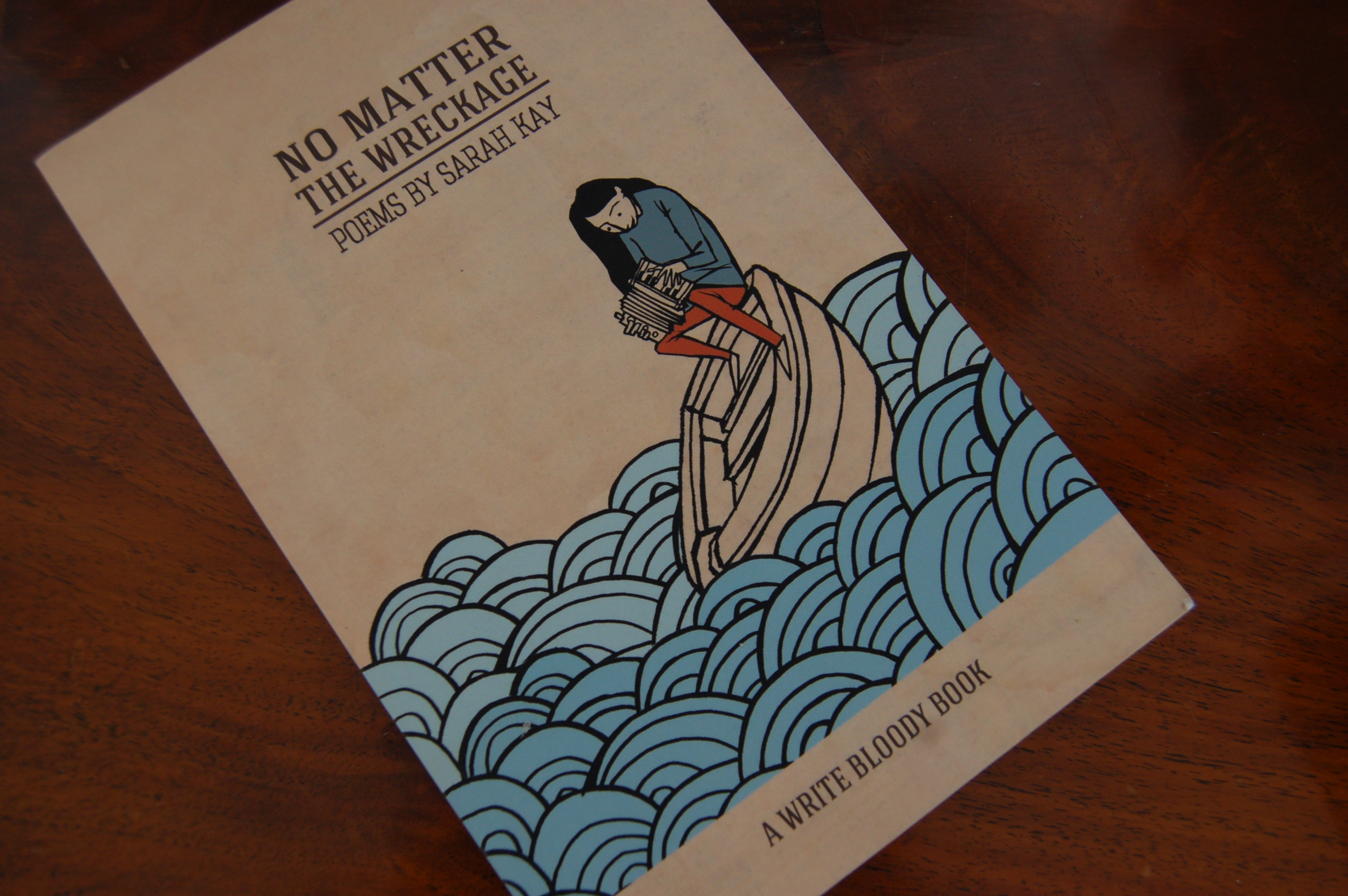
no_matter_the_wreckageIt was TED’s fault. A couple of years ago I was trawling online for some generic ‘inspiration’, when I stumbled across Sarah Kay’s TED talk, ‘If I should have a daughter’. It was a revelation to me. I had always loved reading and writing poetry, but I had never before experienced spoken word poetry. I was instantly taken with the idea of poetry that, as Sarah Kay puts it, “doesn’t just want to sit on paper; something about it demands it be heard out loud or witnessed in person”. Continue reading